James Carville, the chief campaign strategist for Bill Clinton's 1992 presidential campaign, coined the phrase “It's the economy, stupid.”
He created the expression as an internal campaign reminder during Clinton's challenge to incumbent President George H. W. Bush.
Bush had enjoyed enormous popularity following the 1991 Gulf War victory against Iraq. The US-led coalition had driven Iraqi forces out of Kuwait, and Bush's approval rating soared to 89% in March 1991, one of the highest presidential approval ratings ever recorded at the time. Many political observers considered his re-election in 1992 almost certain.
However, the American economy was experiencing a recession, unemployment was a concern, and voters were increasingly dissatisfied with economic conditions.
Enter Bill Clinton's campaign, guided by political consultant and lead strategist James Carville who entirely concentrated on domestic economic issues.
Carville's thinking was straightforward: the campaign needed to concentrate on the economic concerns of ordinary Americans rather than allow Bush's foreign-policy achievements, particularly the Gulf War victory, to dominate the political conversation.
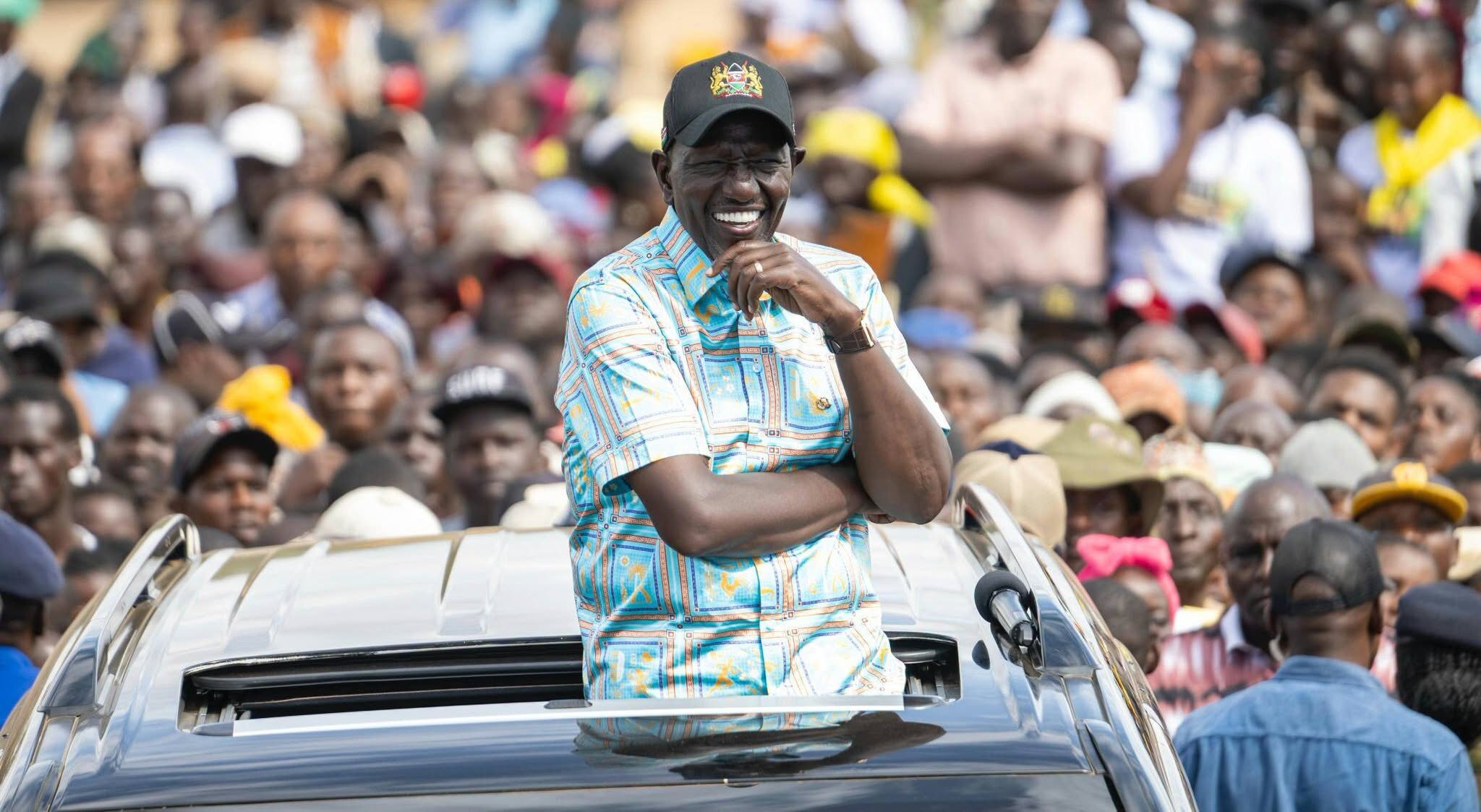
The campaign slogan can be used back home to remind president William Ruto that the economy is indeed stupid. The cost of living is unbearable as Chinua Achebe puts it that ….” the price of gunpowder like everything else having doubled again and again in the four years since this government took control.” A Man of The People,
Achebe was describing a society experiencing persistent inflation while its political leadership continued enjoying public celebrations and admiration. State house stellar expenditure and the appetite of foreign trips leads in president Ruto’s account. When the cost of essential goods, transport, electricity, taxation and doing business rises repeatedly, should political leaders be judged by their speeches and public celebrations, or by the economic conditions experienced by ordinary citizens?
The cost of living to ordinary Kenyans has graduated from hand to mouth, to guess work. Kenyans keep guessing where the next meal will come from, if lucky enough to get some. Education inequality is a reality; health system is for the rich as having government health insurance for ordinary Kenyans is a drama script.
The Ruto administration has faced numerous scandals and governance controversies since taking power in 2022, raising serious questions about public accountability, transparency and the management of taxpayers' money.
What Kenyans read in newspapers and social media platforms is a scandal after scandal. The Ruto administration has faced major financial and governance controversies, including the KSh41.9 billion Bomas of Kenya project where the Auditor-General questioned procurement legality; the KSh16 billion edible-oil import programme which attracted procurement-related criminal charges; and SHA, where the Health Ministry reported KSh11 billion in suspected fraudulent claims. Kenyans are left stranded in hospitals with their patients as Farmers receive fake fertilizer, in fact sometimes pure sand.
Sometime back politicians especially president Ruto allies could be seen in synagogues donating large sums of money and in fundraising carrying money literally in sacks. Money their salary cannot give them, until Gen Z uprising.
Kenyans' dissatisfaction with President William Ruto's administration largely stems from the high cost of living, heavy taxation, unemployment, corruption allegations, public debt, healthcare challenges and what many perceive as unfulfilled campaign promises.
Despite pledges to reduce food prices, create jobs, empower small businesses and improve living standards through the Bottom-Up Economic Transformation Agenda, many households continue to struggle financially.
Controversies surrounding public procurement, State House expenditure, infrastructure contracts and suspected misuse of public funds have further raised questions about accountability.
During his campaigns in 2022, the president promised Kenyans a Bottom-Up Economic Transformation Agenda aimed at improving the lives of ordinary citizens. His key pledges included reducing the cost of living, lowering food prices, investing KSh250 billion in agriculture over five years, allocating KSh50 billion annually to the Hustler Fund, creating employment opportunities for young people, constructing 250,000 affordable houses annually, providing universal healthcare, employing 116,000 additional teachers, expanding school feeding programs, building 100,000 kilometers of fiber-optic infrastructure and fighting corruption.
He also promised to empower small businesses, support farmers, improve access to affordable credit and ensure economic opportunities reached low-income households. The central promise was to put money into the pockets of ordinary Kenyans, create jobs and make life more affordable.
According to Controller of Budget, State House spent KSh43 billion in four years, between July 2022 and June 2026, while National School Feeding Programme was allocated KSh13.36 billion. Which one should be given consideration than the other? Much of the money is spent on unnecessary foreign travels.
The central message is simple: Kenyans do not eat diplomatic recognition, they do not pay school fees with GDP growth figures, and they cannot settle hospital bills with international accolades. They need jobs, affordable living, reliable healthcare and an economy that improves their purchasing power.
As the country approaches the 2027 General Election, the question confronting the Ruto administration is not just how many projects have been launched or how many international leaders the President has met. It is whether ordinary Kenyans are economically better off than they were when he took office. Yes, the economy is stupid, otherwise the 700 million Bayern Munich appearance fee could purchase a sophisticated cancer-treatment machine capable of serving patients who might otherwise have to seek treatment abroad.