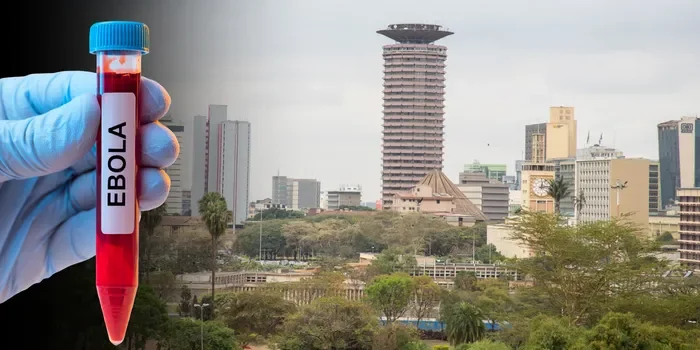
The United Nations has released approximately Sh259.8 million to bolster Kenya’s Ebola preparedness and containment measures. The funding, sourced from the OCHA-managed Kenya Humanitarian Fund, arrives as the country manages nine confirmed cases of the Bundibugyo Ebola virus strain, which have resulted in two fatalities.
According to a UN report published on October 27, 2026, the financial injection will support the Kenyan government's containment strategies. Key priorities include ramping up border surveillance, training rapid response and frontline health teams, and securing high-risk travel and refugee routes near the Kakuma refugee complex in north western Kenya. The funds will also supply emergency infection prevention kits and drive public awareness campaigns focused on early symptom detection.
Breakthrough in Contact Tracing
The Ministry of Health reported a major milestone after the first 20 individuals placed under a mandatory 21-day quarantine were cleared and discharged. Health Director-General Dr. Patrick Amoth confirmed that these individuals have shown no symptoms, pose no public health risk, and are safe to reintegrate into their communities.
"Each of the twenty contacts was assessed against strict release criteria," Dr. Amoth stated. "We ask communities to welcome them back warmly."
An additional 98 contacts remain under close monitoring and are scheduled for phased release in four waves starting November 3, 2026, provided they pass medical evaluations. In total, health officials have tracked 134 potential exposures since Kenya detected its first imported case on October 6, 2026.
Current Outbreak Status
Currently, the remaining seven hospitalized patients are in stable condition. Genomic sequencing of initial patient samples confirms that the outbreak is genetically linked to the Bundibugyo virus lineage originating from the Democratic Republic of Congo (DRC).
While there is currently no evidence of active community transmission, health authorities emphasize that the outbreak is far from over. By international health standards, declaring the country Ebola-free will require 42 consecutive days without any new infections after the final patient either tests negative twice or is safely buried. In the meantime, the Ministry of Health continues to enforce strict isolation protocols, provide psychosocial support, and equip entry points with enhanced screening tools.